SSEL ENTERPRISE KNOWLEDGE ARCHITECTURE

Business Functions We Strengthen

Business Processes First. Technology Built Around Them.

Manufacturing performance depends on how effectively business functions are planned, executed, monitored and connected. Explore the twelve enterprise functions that form SSEL’s management-first approach.

01

Pre-Production Cost Estimation & Budgeting

Profitable manufacturing begins long before production starts. Accurate pre-production cost estimation and budgeting enable organizations to evaluate product feasibility, estimate resource requirements, establish cost benchmarks, and make informed commercial decisions.

02

Customer Order Management

Every manufacturing activity begins with a customer commitment. Effective order management transforms customer requirements into actionable production plans by defining product specifications, delivery schedules, commercial terms, and execution priorities.

03

Production Planning & Material Planning

Effective production begins with disciplined planning. Production Planning & Material Planning transform authorized business commitments into executable manufacturing plans by determining what to produce, how much to produce, when to produce, the production resources required, material ava.

04

Production Procurement & Purchasing

Production Procurement & Purchasing transforms scientifically planned production requirements into dependable material supply. By integrating production planning, Bill of Materials (BOM), technical specifications, and commercial purchasing, it ensures that manufacturing commitments are ful.

05

Enterprise Stores & Spares Management

Enterprise Stores & Spares Management ensures the systematic procurement, stocking, control, and distribution of stores, consumables, maintenance spares, tools, and indirect materials required to support uninterrupted enterprise operations. It balances material availability with inventory .

06

Production & Operations Management

Production & Operations Management transforms production plans into actual manufacturing. It coordinates production execution, monitors process performance, tracks work-in-progress, records production, waste generation, and operational losses as integral components of manufacturing perform.

07

Quality Management

Quality Management ensures that products consistently conform to defined specifications, customer requirements, and organizational quality standards. By integrating quality planning, inspection, testing, process monitoring, historical quality analysis, and continuous improvement, it helps .

08

Plant Maintenance

Plant Maintenance ensures that manufacturing equipment, utilities, and production assets remain reliable, safe, and available to support uninterrupted enterprise operations. Through preventive, predictive, corrective, and breakdown maintenance, it helps maximize equipment availability, imp.

09

Sales, Dispatch & Distribution

Sales, Dispatch & Distribution ensures that finished products are delivered to customers accurately, efficiently, and on time. By coordinating sales order execution, dispatch planning, multi-location distribution, logistics, commercial documentation, sales taxation, and customer deliveries.

10

Finance & Financial Accounting

Finance & Financial Accounting records, controls, and reports the financial activities of the enterprise. By integrating business transactions from every enterprise function, it provides accurate financial information, statutory compliance, effective cash management, and management visibil.

11

Cost Management & Analysis

Cost Management & Analysis transforms enterprise operational data into meaningful cost intelligence that supports planning, budgeting, control, profitability analysis, and strategic decision-making. By integrating Pre-Production Cost Estimation (PRECOST), Actual Cost Analysis (TRUCOST), va.

12

Management Information Systems & Decision Support

Management Information Systems & Decision Support transforms enterprise-wide operational and financial information into meaningful management intelligence. By integrating information from every business function with dashboards, data analytics, AI-assisted insights, performance indicators,.

Every enterprise transaction creates information. Information becomes knowledge through analysis. Knowledge empowers better management decisions.

ERP ARCHITECTURE / 01

Pre-Production Cost Estimation & Budgeting

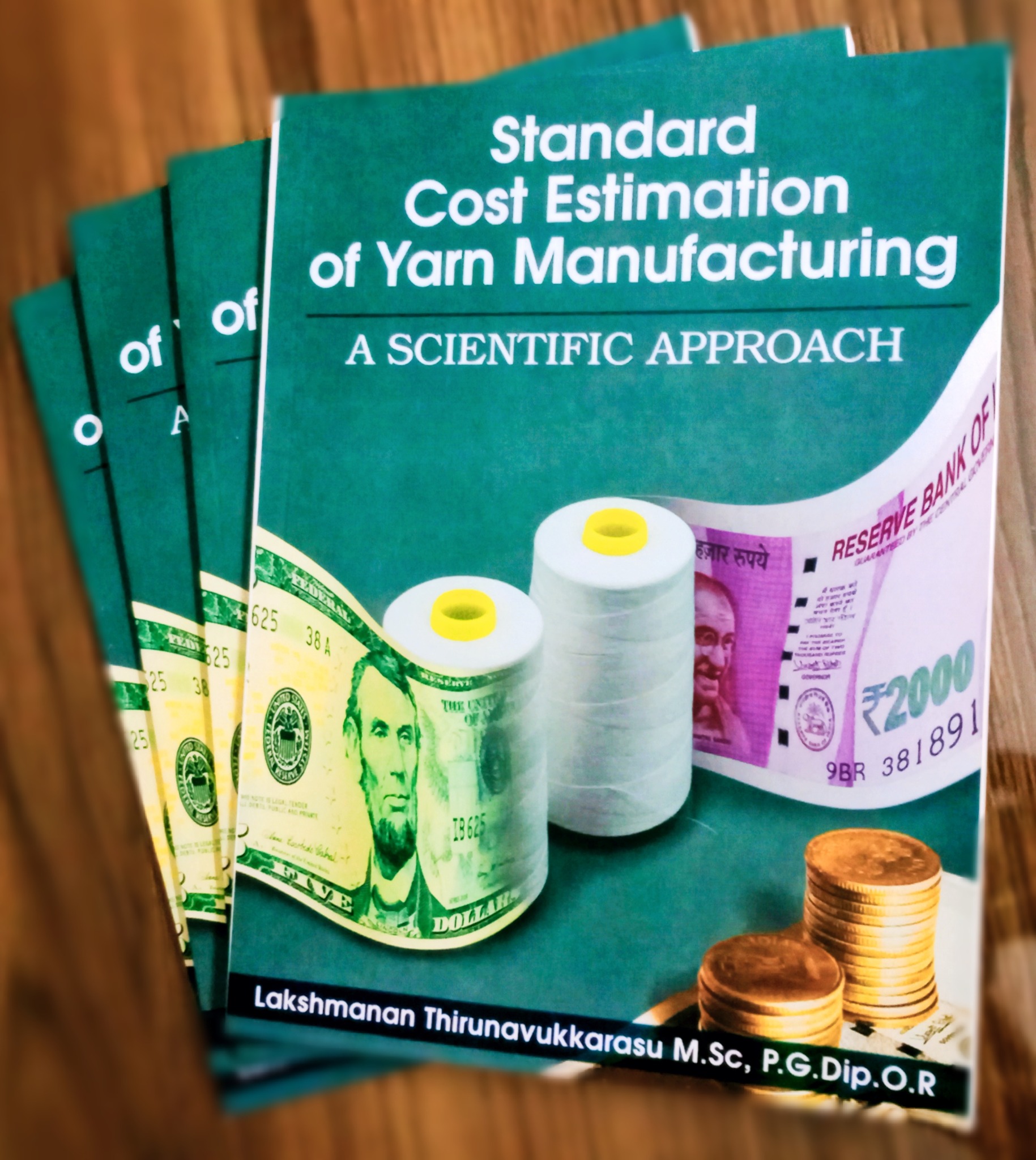
Scientific cost estimation publication

Profitable manufacturing begins long before production starts. Accurate pre-production cost estimation and budgeting enable organizations to evaluate product feasibility, estimate resource requirements, establish cost benchmarks, and make informed commercial decisions.

A scientific approach to cost calculations provides management with the confidence to commit to production while maintaining control over costs and profitability.

A scientific approach to cost calculations enables confident manufacturing decisions before production begins.
ERP ARCHITECTURE / 02

Customer Order Management

Commercial operations and customer engagement

Every manufacturing activity begins with a customer commitment. Effective order management transforms customer requirements into actionable production plans by defining product specifications, delivery schedules, commercial terms, and execution priorities.

It provides the foundation for coordinated planning and timely customer fulfillment across the enterprise.

Customer commitments must be translated into clear, coordinated execution requirements.
ERP ARCHITECTURE / 03

Production Planning & Material Planning

Engineering production and material planning

Production planning is not merely preparing a production schedule. It is the management function that converts authorized business commitments into realistic manufacturing plans.

To ensure that manufacturing operations are planned systematically by balancing demand, production capacity, material availability, packaging requirements, procurement activities, and delivery commitments before production begins.

At SSEL, Production Planning & Material Planning are not viewed as scheduling activities alone. They represent the management discipline of transforming authorized business commitments into achievable manufacturing plans by balancing enterprise resources, materials, capacity, and customer commitments before production begins.

ERP ARCHITECTURE / 04

Production Procurement & Purchasing

Industrial production materials and procurement

Production Procurement begins only after production requirements are scientifically established through customer or own-order commitments, production planning, Bill of Materials (BOM), and Material Requirement Planning (MRP).

Production Procurement & Purchasing transforms scientifically planned production requirements into dependable material supply. By integrating production planning, Bill of Materials (BOM), technical specifications, and commercial purchasing, it ensures that manufacturing commitments are fulfilled efficiently, economically, and consistently.

Material Requirement Planning Technical Specifications Supplier Evaluation & Selection Commercial Purchasing Delivery Scheduling Purchase Order Management Quality Coordination

ERP ARCHITECTURE / 05

Enterprise Stores & Spares Management

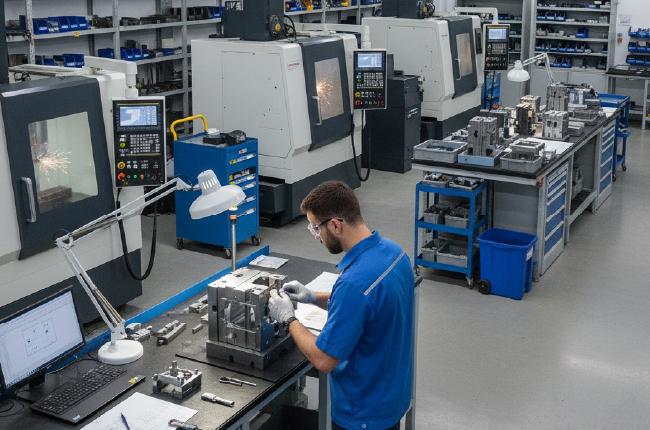
Inventory analysis reference for stores management

Enterprise Stores & Spares Management ensures the systematic procurement, stocking, control, and distribution of stores, consumables, maintenance spares, tools, and indirect materials required to support uninterrupted enterprise operations. It balances material availability with inventory optimization, providing the inventory and procurement support required by maintenance, utilities, administration, and other operational functions. Efficient procurement ensures that the right materials, services, and resources are available to support uninterrupted business operations. Procurement & Purchasing Management transforms approved enterprise requirements into controlled purchasing activities by managing supplier selection, purchase planning, purchase orders, delivery schedules, quality expectations, and cost control. Well-managed procurement strengthens supply reliability, optimizes inventory, supports production continuity, and contributes directly to organizational profitability.

Unlike Production Procurement, which is driven by production commitments and Bill of Materials (BOM), Stores & Spares Management is driven by operational requirements originating from maintenance, utilities, administration, inventory policies, and departmental demands.

At SSEL, Enterprise Stores & Spares Management is viewed as a strategic support function that sustains enterprise operations. By integrating procurement policies, inventory control, and departmental material requirements, it ensures that operational functions receive the right materials at the right time while maintaining disciplined inventory governance and optimum inventory investment.

Department Indents Reorder Levels Economic Order Quantity (EOQ) Preventive Maintenance Breakdown Maintenance Inventory Control

ERP ARCHITECTURE / 06

Production & Operations Management

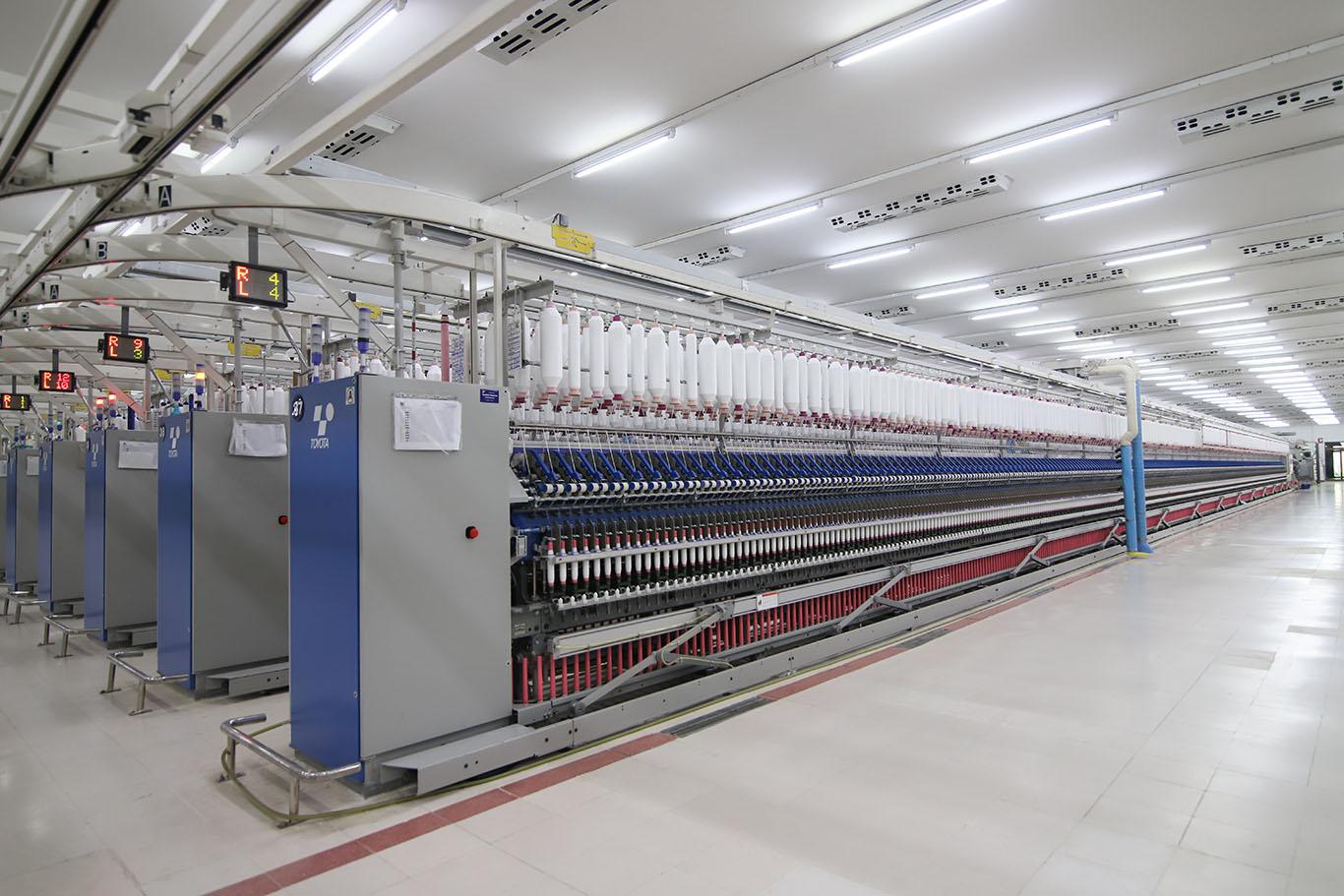
Textile manufacturing operations

Production & Operations Management is the operational heart of the manufacturing enterprise. Once production plans have been established and materials are available, manufacturing must be executed systematically while maintaining operational control across every production process.

To execute, monitor, measure, and continuously improve manufacturing operations while achieving planned production targets, operational efficiency, effective resource utilization, and sustained manufacturing performance.

At SSEL, Production & Operations Management is not merely about recording production transactions. It is about creating enterprise-wide operational visibility. By systematically monitoring production, work-in-progress, waste generation, operational losses, process performance, and resource utilization, organizations gain the knowledge required to improve productivity, reduce losses, and achieve consistent manufacturing excellence.

Production Execution Production Monitoring Work-in-Progress (WIP) Management Production Reporting Waste Collection & Accounting Process Performance Monitoring Shift Performance Management Labour Productivity Machine Utilization Production Variance Analysis Operational Visibility

Waste is not an exception to production. It is part of production reality. Therefore, waste generation and operational losses should be measured, analyzed, and managed with the same discipline as production itself.
ERP ARCHITECTURE / 07

Quality Management

Technical quality analysis and measurement

Quality Management is responsible for ensuring that products and processes consistently achieve the required quality standards throughout the manufacturing lifecycle. Quality is not merely the inspection of finished products. It is a systematic management function that establishes quality standards, monitors process performance, verifies product conformity, and supports continuous improvement by building a valuable historical quality knowledge base.

To ensure that products consistently meet defined quality standards and customer expectations while supporting continuous process improvement through systematic quality measurement, analysis, and historical knowledge.

At SSEL, Quality Management is viewed as an enterprise-wide management responsibility rather than a final inspection activity. By integrating quality standards with production processes, operational performance, and historical quality information, organizations build the knowledge required to prevent defects, improve consistency, accelerate decision-making, and achieve continuous manufacturing excellence.

Quality Planning Incoming Material Inspection In-Process Quality Control Finished Goods Inspection Quality Testing & Analysis Non-Conformance Management Corrective & Preventive Actions (CAPA) Quality Performance Monitoring Historical Quality Analysis & Reporting Continuous Improvement

Quality Management not only assures today's product quality but also builds the historical knowledge required for continuous improvement and better future decisions.
ERP ARCHITECTURE / 08

Plant Maintenance

Industrial engineering and maintenance

Plant Maintenance is responsible for preserving the operational capability of production assets throughout their lifecycle. Rather than reacting only to equipment failures, Plant Maintenance systematically plans, monitors, records, and improves maintenance activities to maximize asset reliability, operational safety, and production continuity.

To maximize equipment availability, reliability, safety, and asset life while minimizing downtime, maintenance costs, and production interruptions.

At SSEL, Plant Maintenance is viewed as a strategic enterprise support function that sustains manufacturing capability throughout the asset lifecycle. By integrating maintenance planning, equipment history, spare parts management, and performance analysis, organizations gain the knowledge required to improve equipment reliability, ensure consistent product quality, reduce downtime, optimize maintenance investment, and achieve sustained manufacturing excellence.

Asset Register Management Preventive Maintenance Predictive Maintenance Breakdown Maintenance Corrective Maintenance Maintenance Planning & Scheduling Work Order Management Spare Parts Consumption Tracking Maintenance Cost Analysis Maintenance History & Performance Analysis

Plant Maintenance not only restores equipment after failures but also builds the historical knowledge required to improve asset reliability, optimize maintenance strategies, and support long-term operational excellence.
ERP ARCHITECTURE / 09

Sales, Dispatch & Distribution

Enterprise distribution and commercial operations

Sales, Dispatch & Distribution bridges manufacturing and the customer. Once products have been manufactured and approved for dispatch, this function manages the systematic movement of finished goods from manufacturing facilities to customers, branches, depots, warehouses, distributors, or other authorized sales locations while ensuring inventory visibility, timely deliveries, commercial accuracy, statutory compliance, and effective logistics coordination.

To ensure timely, accurate, and efficient delivery of finished products while fulfilling customer commitments, supporting revenue realization, and strengthening customer satisfaction.

At SSEL, Sales, Dispatch & Distribution is viewed as the enterprise function that fulfills customer commitments by connecting completed production with successful delivery. By integrating order execution, pricing, sales taxation, finished goods availability, dispatch planning, logistics coordination, multi-location inventory visibility, and historical delivery performance, organizations improve customer service, strengthen operational reliability, and build lasting customer confidence.

Sales Order Execution Sales Pricing Management Multi-Location Sales Management Finished Goods Allocation Packing & Packaging Management Shipping & Commercial Documentation Sales Tax Definition & Transaction Rules Delivery Scheduling Logistics & Transportation Coordination Stock Transfer Management Branch & Depot Inventory Management Distribution Network Management Customer Delivery Confirmation

Successful manufacturing is completed not when production ends, but when the right product reaches the right customer, from the right location, at the right price, with the right commercial and statutory documentation, in the right quantity, at the right time.
ERP ARCHITECTURE / 10

Finance & Financial Accounting

Electronic data and financial record management

Finance & Financial Accounting is the enterprise function responsible for recording, classifying, controlling, and reporting all financial transactions arising from business operations. Rather than functioning as an isolated accounting department, Finance integrates information from procurement, inventory, production, sales, payroll, maintenance, and other enterprise functions to present a complete and accurate financial picture of the organization.

To provide accurate financial information, maintain statutory compliance, safeguard financial assets, and support sound managerial and strategic decision-making.

At SSEL, Finance & Financial Accounting is viewed as the financial backbone of the enterprise. By integrating financial information from every business function, organizations gain accurate financial visibility, maintain statutory compliance, strengthen financial discipline, and build the historical knowledge required for sound business decisions and sustainable growth.

General Ledger Accounts Receivable Accounts Payable Cash & Bank Management Fixed Asset Accounting Sales Tax / GST / VAT Accounting Financial Period Closing Trial Balance Profit & Loss Account Balance Sheet Cash Flow Reporting Financial Statements & Analysis Budgetary Control

I would keep it simple and timeless: Finance transforms enterprise transactions into reliable financial information, enabling accountability, statutory compliance, and informed business decisions.
ERP ARCHITECTURE / 11

Cost Management & Analysis

Technology and analytical management

Cost Management & Analysis provides management with a comprehensive understanding of the cost of products, processes, manufacturing operations, and business activities. Rather than merely accumulating accounting costs, it systematically integrates information from production, procurement, inventory, energy, labour, stores & spares, and finance to establish expected cost before production and determine actual cost after production while identifying opportunities for continuous cost improvement.

To provide accurate, timely, and meaningful cost information that supports production planning, machine allocation, budgeting, operational control, profitability improvement, pricing decisions, and continuous business improvement.

At SSEL, Cost Management begins before production starts. Our philosophy integrates Pre-Production Cost Estimation (PRECOST) with Actual Cost Analysis (TRUCOST), creating a continuous cost management framework that supports planning, execution, budgeting, measurement, analysis, and continuous improvement throughout the manufacturing lifecycle. By combining operational data with financial information, organizations gain the knowledge required to understand cost behaviour, improve profitability, optimize manufacturing decisions, and achieve sustainable business performance.

Pre-Production Cost Estimation Production Planning & Machine Allocation Actual Cost Determination Product Cost Analysis Process Cost Analysis Cost Variance Analysis Material Cost Analysis Labour Cost Analysis Energy Cost Analysis Stores & Spares Cost Analysis Waste Variance Analysis Overhead Cost Allocation Profitability Analysis

Cost should not be discovered after production; it should be engineered before production and validated after production.
ERP ARCHITECTURE / 12

Management Information Systems & Decision Support

Manufacturing information and analytics

Management Information Systems & Decision Support is responsible for converting enterprise data into actionable management knowledge. Unlike operational functions that execute business activities, this function continuously consolidates information from planning, procurement, inventory, production, quality, maintenance, sales, finance, and cost management to provide management with a comprehensive view of enterprise performance.

To provide timely, accurate, and meaningful management information that supports operational control, performance evaluation, strategic planning, and informed decision-making across the enterprise.

At SSEL, Management Information Systems & Decision Support represents the enterprise knowledge layer where information from every business function is transformed into meaningful management intelligence. By combining enterprise data, dashboards, analytics, AI-assisted decision support, and historical business knowledge, organizations gain timely insights that improve operational control, strategic planning, and executive decision-making.

Executive Dashboard Management Dashboard Executive Information System (EIS) Key Performance Indicators (KPIs) Operational Performance Monitoring Exception Reporting Trend Analysis Comparative Analysis Data Analytics AI-assisted Decision Support Productivity Analysis Profitability Analysis Enterprise Scorecards

Every enterprise transaction creates information. Information becomes knowledge through analysis. Knowledge empowers better management decisions. Better management decisions improve operational excellence, maximize profitability, and build sustainable enterprise growth.